Welcome to Our Corner
Explore More Below

Can Trauma Cause Chronic Illness? Exploring the Mind-Body Connection
At Modern Eve, we understand that trauma can affect more than thoughts, emotions, and relationships. For some people, difficult or prolonged experiences can also influence how they feel physically, raising important questions about the connection between trauma and chronic health concerns.
If you have experienced trauma and live with persistent fatigue, pain, digestive problems, or another chronic condition, you may have wondered: Can trauma cause chronic illness?
There is no simple cause-and-effect answer. Trauma does not directly cause every chronic illness, and physical symptoms should never automatically be attributed to unresolved emotional experiences. Genetics, infections, environmental factors, lifestyle, and many other influences can contribute to chronic health conditions.
However, prolonged stress and trauma can affect systems throughout the body. Understanding this mind-body connection can provide a more complete picture of how difficult experiences may continue influencing well-being long after the immediate threat has passed.

Healing Religious Trauma: What Many Former Mormons Experience After Leaving the Church
Leaving The Church of Jesus Christ of Latter-day Saints can be much more than changing your religious beliefs. For many former Mormons in Utah, it can affect identity, family relationships, friendships, routines, values, and their sense of belonging.
Some people feel immediate relief after leaving. Others experience anxiety, guilt, grief, anger, or confusion even when they feel confident that leaving was right for them. These reactions can sometimes be connected to religious trauma.
At Modern Eve, we understand that healing after a major faith transition can involve more than processing what you no longer believe. It can also mean rebuilding self-trust, reconnecting with your body, navigating changing relationships, and discovering what feels authentic to you. Understanding why these emotions occur and how past religious experiences may still influence your present life can be an important part of healing.

Why People Pleasing Is More Than Just Being "Too Nice"
Many people describe themselves as "people pleasers" as if it's simply a personality trait. They apologize too often, struggle to say no, avoid conflict, and prioritize everyone else's needs above their own. Friends may even compliment them for being kind, generous, or selfless.
But beneath these behaviors is often something much deeper.
For many adults, people-pleasing isn't about being "too nice." It's a survival strategy that developed in response to difficult relationships, trauma, inconsistent caregiving, or environments where love and acceptance felt conditional. While these patterns may have helped someone stay emotionally or physically safe in the past, they can become exhausting in adulthood.
At Modern Eve, we work with adults throughout Utah who are healing from trauma, attachment wounds, anxiety, Complex PTSD, religious trauma, and difficult relationship patterns. Understanding why people-pleasing develops is often one of the first steps toward building healthier relationships with others and with yourself.
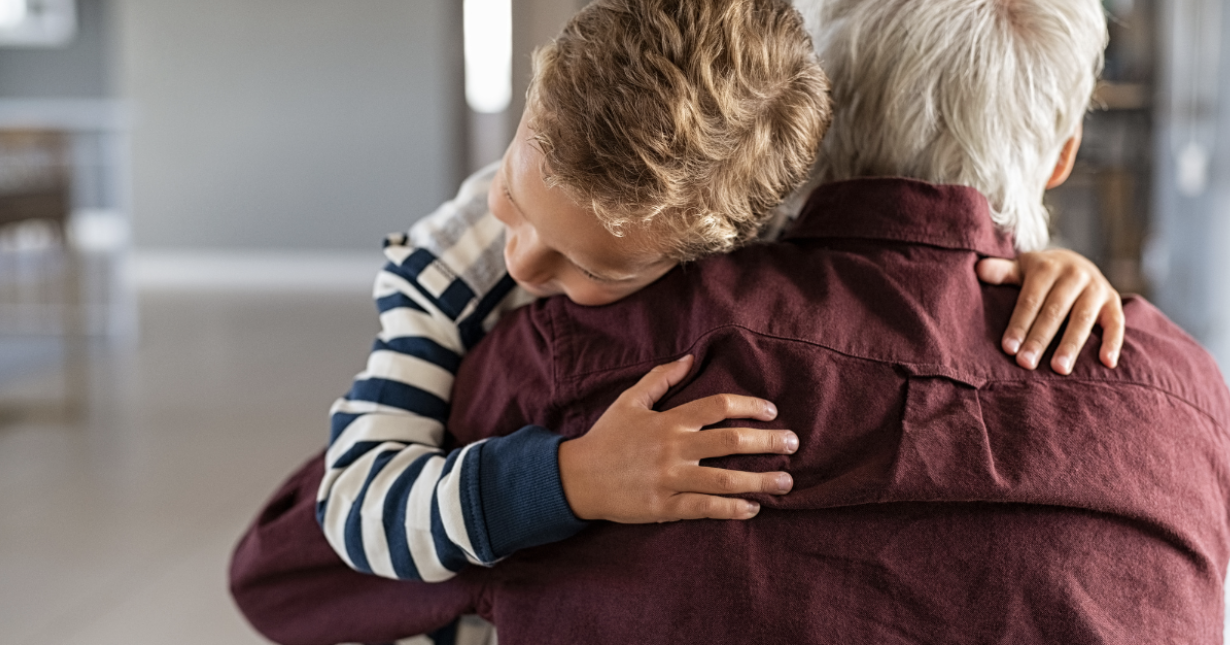
How Childhood Attachment Patterns Shape Adult Relationships
Our earliest relationships often become the blueprint for how we experience connection later in life. Whether those early experiences felt safe and nurturing or unpredictable and emotionally painful, they can influence how we trust, communicate, and respond to intimacy as adults.
At Modern Eve, we work with adults across Utah who are healing from trauma, Complex PTSD, difficult family dynamics, religious transitions, relationship challenges, and struggles with self-worth. Many people are surprised to discover that the patterns causing stress in their relationships today often have roots in childhood attachment experiences.
The encouraging news is that attachment patterns are not permanent. With awareness, self-compassion, and trauma-informed support, healthier relationships are possible.

Complex PTSD vs. PTSD: Understanding the Differences and Finding the Right Support
Trauma affects everyone differently. While many people have heard of Post-Traumatic Stress Disorder (PTSD), fewer understand Complex PTSD (CPTSD) and how it can impact daily life, relationships, and a person's sense of self. Although the two conditions share similarities, they often develop from different experiences and may require different therapeutic approaches.

What Is IFS Therapy and Why Is It Helping So Many People Heal From Trauma?
At Modern Eve, we help adults throughout Utah develop healthier relationships with themselves and their bodies. Whether you're navigating Complex PTSD, people-pleasing, grief, chronic illness, attachment challenges, or life after leaving a high-demand religion, IFS counseling offers a compassionate framework that meets you where you are.